
Project Overview
WaveRunner is an AI hearing aid that isolates and amplifies a single speaker’s voice in noisy environments. Ordinary hearing aids / voice amplifiers simply turn up everything around you — WaveRunner aims to go beyond that limitation by using interaural time difference (ITD) from dual ear microphones, speaker embeddings, and a lip-reading AI model to pick out and deliver only the voice of the person you want to hear.
- Average SNR improved by 7.01dB
- Noise reduced by over 70%
- On-device real-time inference latency of 8ms
- 6-hour battery life, max output of 125dB
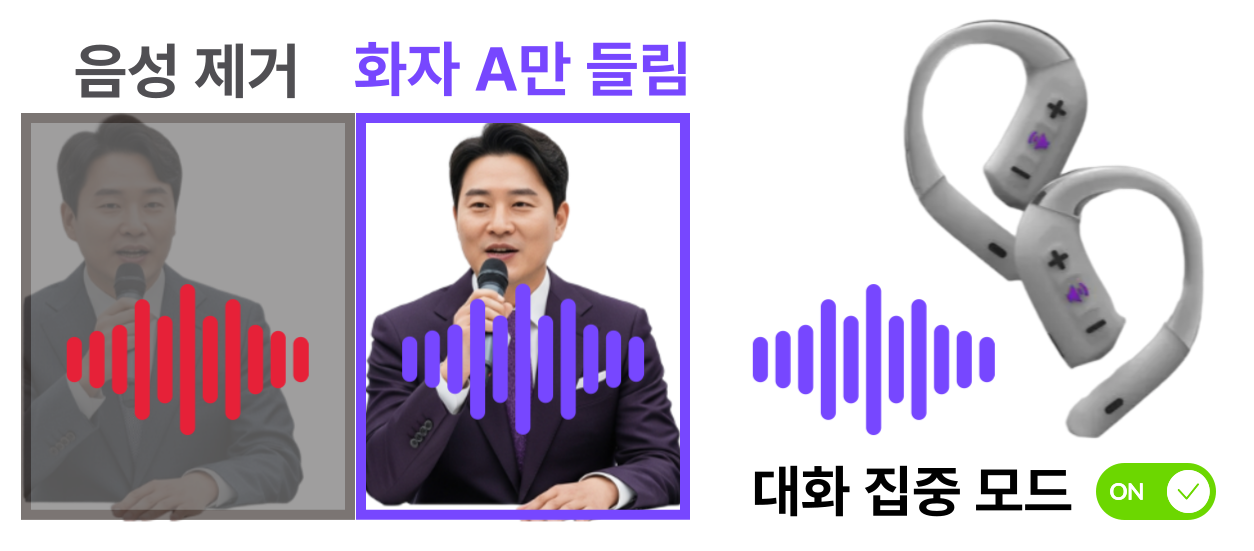 |
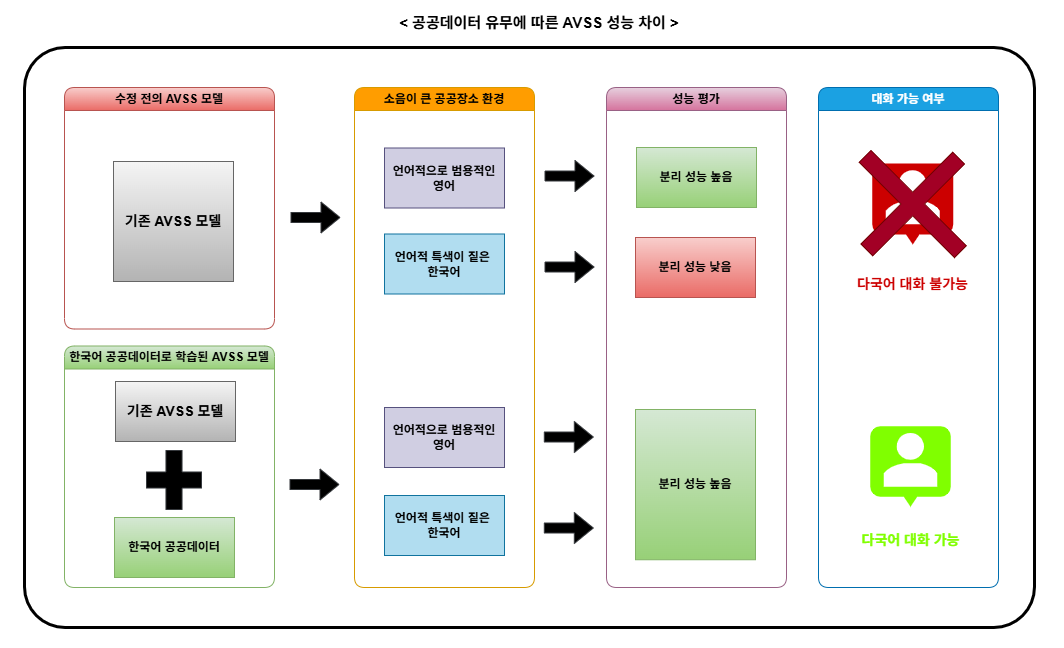 |
My Role — On-Device Wearable Hardware
No matter how good the AI model is, none of it means anything if it can’t run in real time, at low power, and reliably inside a small device worn on the ear. I built the hearing-aid hardware, along with the wireless algorithm and firmware linking the AI inference engine to the hearing aid.
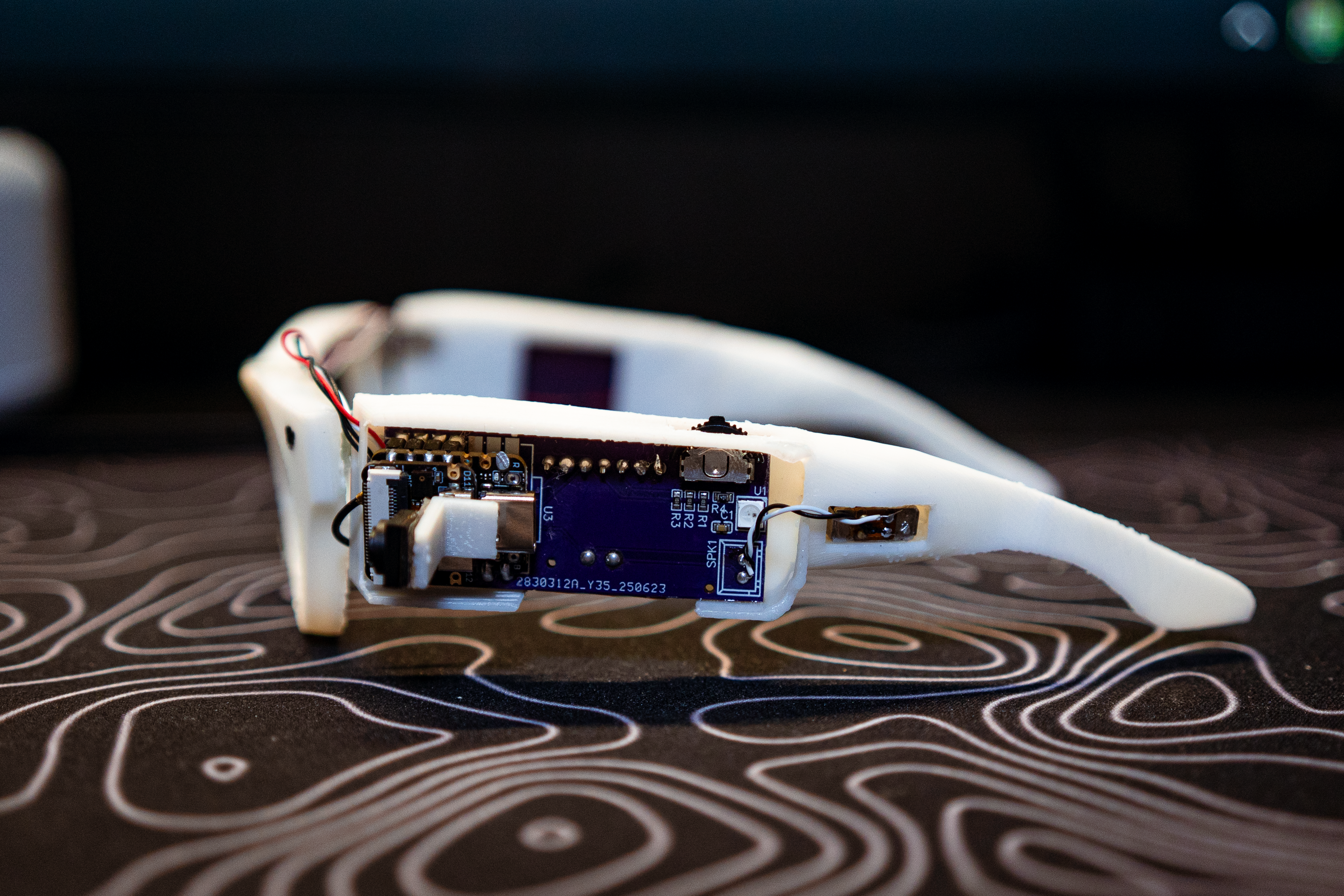
1. Hardware Selection — Consulting with EDOM Technology’s TSE/FAE
Picking a chipset that met the requirements (low power + dual mic + real-time audio processing + BLE) turned out to be no small task. In the prototype, I tried running a lip-reading AI model on an ESP32-S3, but performance fell short, so I offloaded that work to the phone instead.
I consulted directly with EDOM Technology’s TSE (Technical Sales Engineer) and FAE (Field Application Engineer), reviewing datasheets for candidate chips and weighing real-world production supply stability, package options, and evaluation-board support before settling on a chipset. That said, tight AI-chip supply meant I couldn’t secure fast turnaround.
2. ESP32 + FreeRTOS — The Trade-off Between Real-Time Response and Octal RAM
In the early prototype, I built a structure based on ESP32 with separated FreeRTOS tasks that sent audio/video over WebSocket.
The problem was the ESP32’s inefficient performance.
- Real-time response: audio and video streams need frequent, short-interval UDP transmission, with reassembly happening on the phone.
- Octal RAM overflow: video frame buffering needs large buffers, and grabbing dynamic storage via malloc introduces both malloc overhead and overflow risk.
With these two requirements pulling in opposite directions, I had to find the trade-off point by reworking task priorities, buffer sizes, and DMA chunk sizes dozens of times. In the end, I split the two apart: audio got a short ring buffer plus a high-priority task, video got double buffering with DMA-based asynchronous transmission. The Wi-Fi task was pinned to Core1, while image and audio encoding ran on Core0.
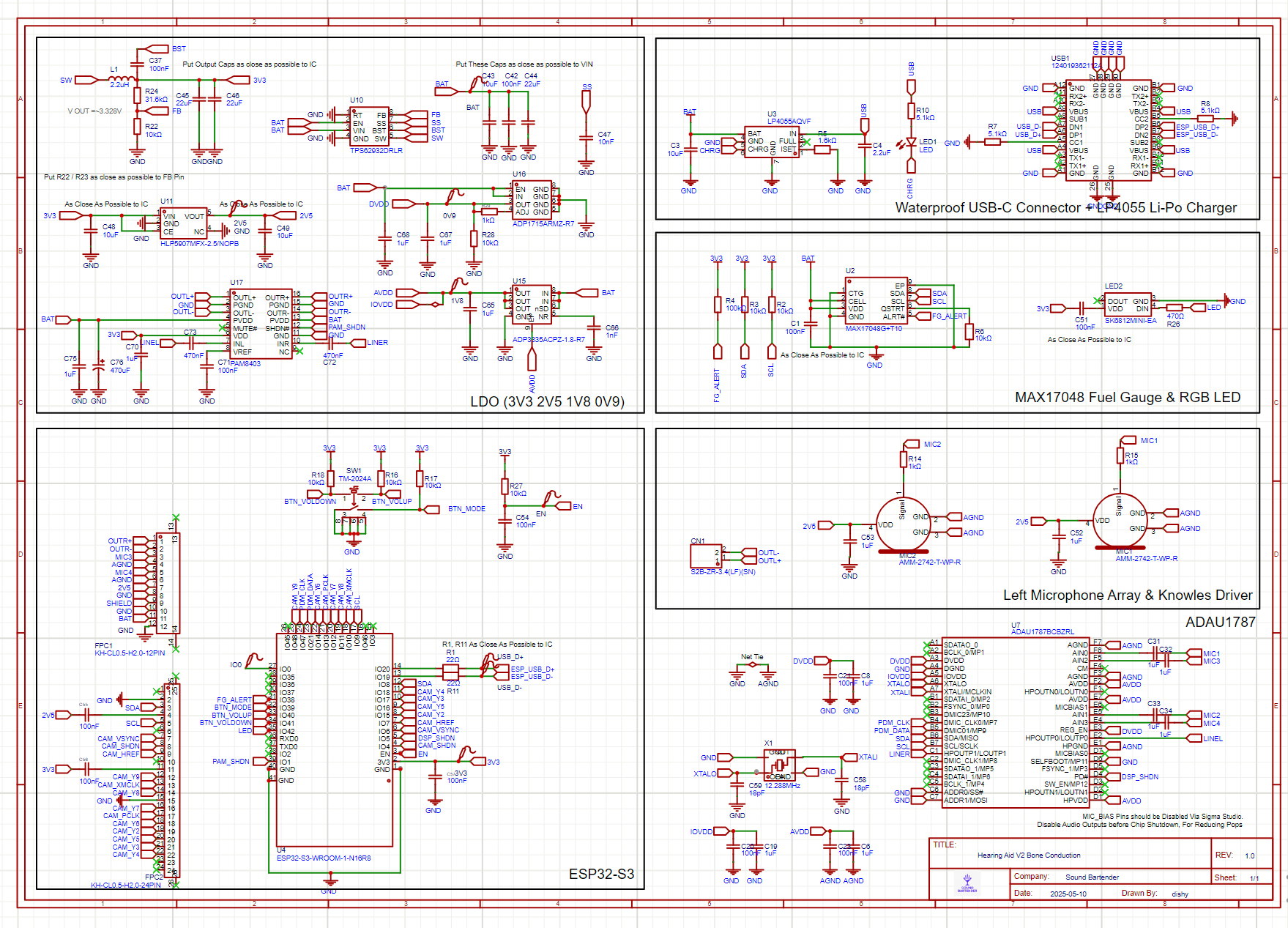
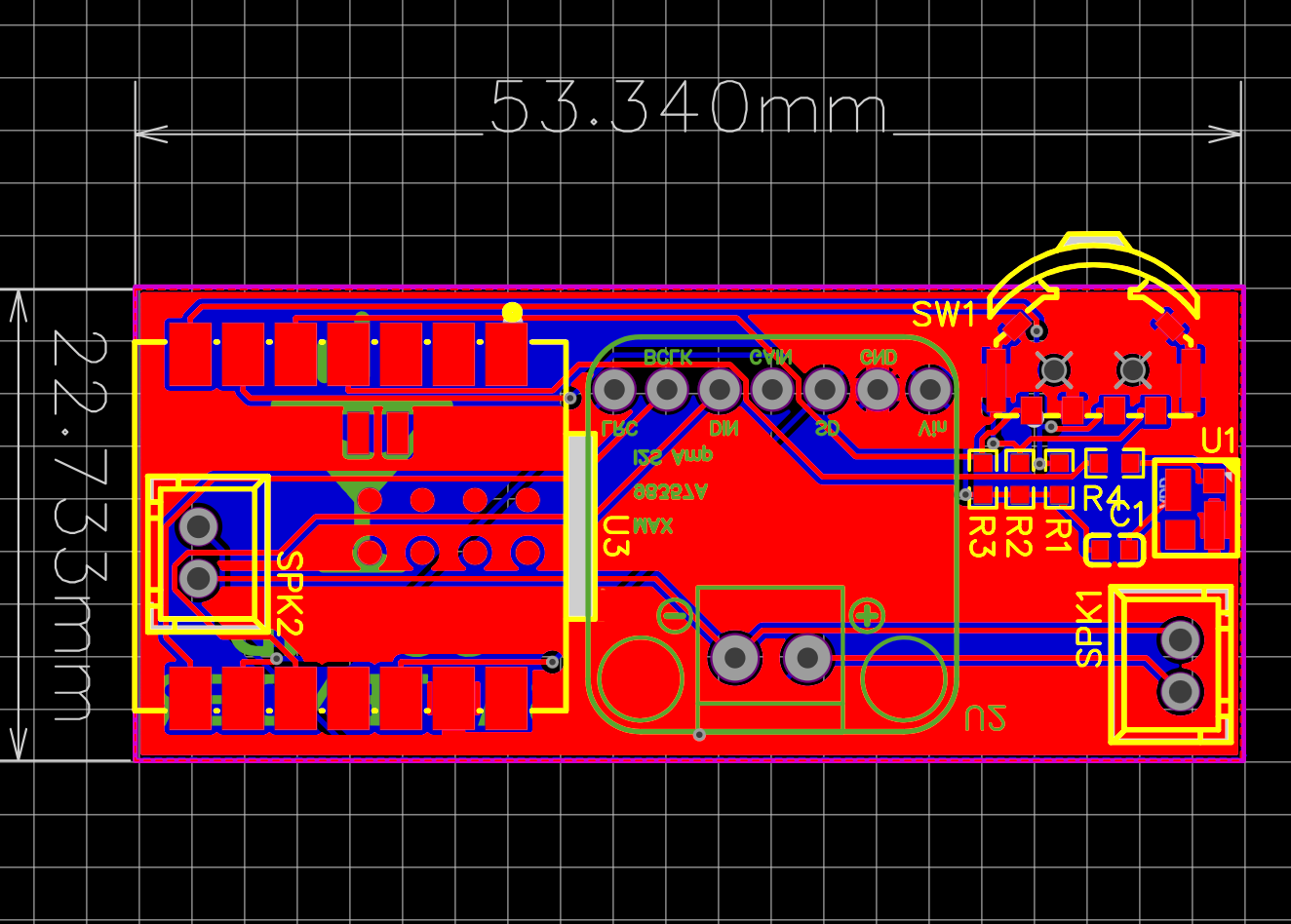
3. 4-Layer PCB — Length Matching and Star Grounding
Things I picked up while designing a 4-layer board to fit an ear-hook form factor:
- Length matching: matching the length of high-speed signal traces (especially differential pairs) down to the nanometer to minimize skew. Since the dual-mic input directly determines how well the ITD algorithm performs, matching the two mic signal paths’ lengths almost exactly was critical.
- Star grounding: bringing analog ground and digital ground together at a single point to keep digital noise from bleeding into the analog circuitry. SNR at the mic input improved noticeably.
- Adopted a Knowles driver (standard for hearing aids) and matched output impedance accordingly
I carried this through from schematic design → simulation → first-pass PCB artwork → an additional, further-miniaturized board design.
 |
 |
4. Evaluating an NPU — Alif Ethos-U55
Since on-device AI inference had to finish within 8ms, I judged that a general-purpose MCU alone would hit a wall, so I explored Alif Semiconductor’s Ethos-U55 NPU-equipped chips (the Ensemble series).
- Reviewed benchmark data on how the Cortex-M55 + Ethos-U55 combination performs on workloads like keyword spotting / voice separation
- Calculated the power/latency gains from offloading a TFLite Micro-based model to the NPU (with Wi-Fi off and 100% NPU offload, processing came out to roughly 0.5ms)
- Weighed unit production cost, tooling/toolchain maturity, and supply-chain stability together
I didn’t end up adopting it for the production chip, but going through the exercise of building a decision framework for “general-purpose MCU vs. NPU-equipped chip” is an asset I can put to direct use on the next project.
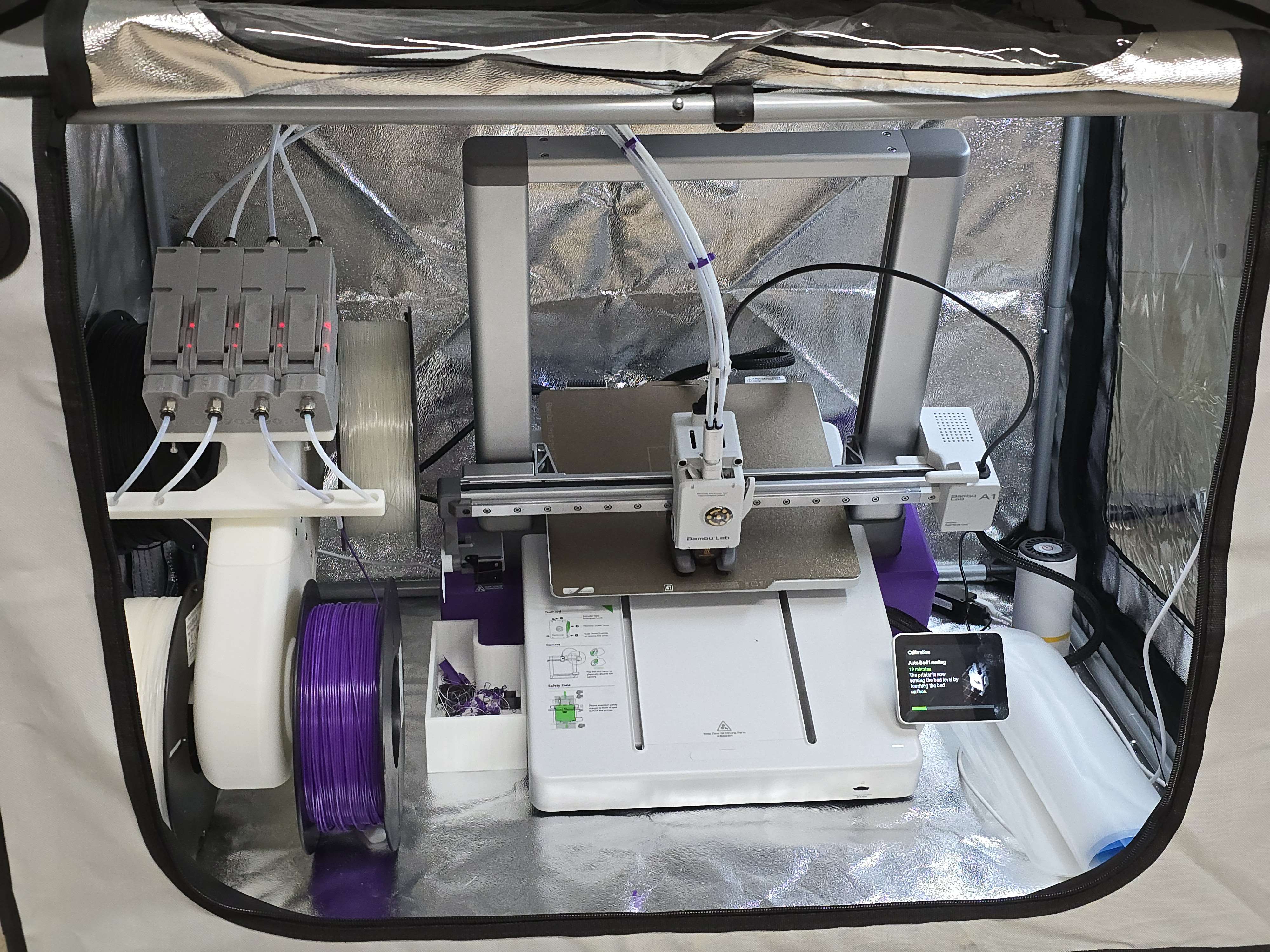
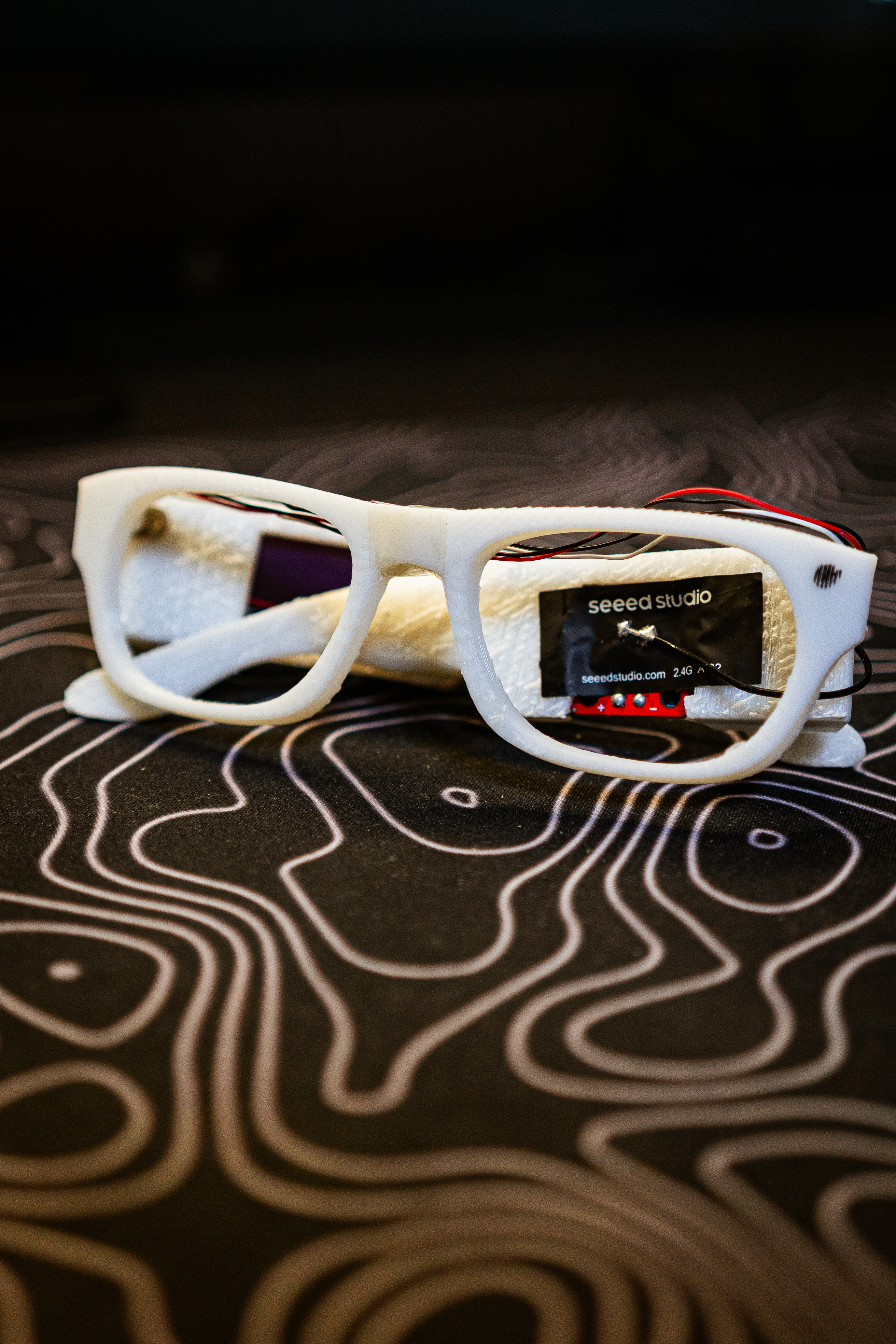
5. Hardware Prototyping — A 3D Printing Automation Line
At the early prototype stage, outsourced injection molding was inefficient, so I built out my own 3D-printing farm instead.
- Initial 3D modeling → optimized for manufacturability using DfAM (Design for Additive Manufacturing) principles
- Confirmed intent for an MOU with LUGO Labs, a 3D printing vendor
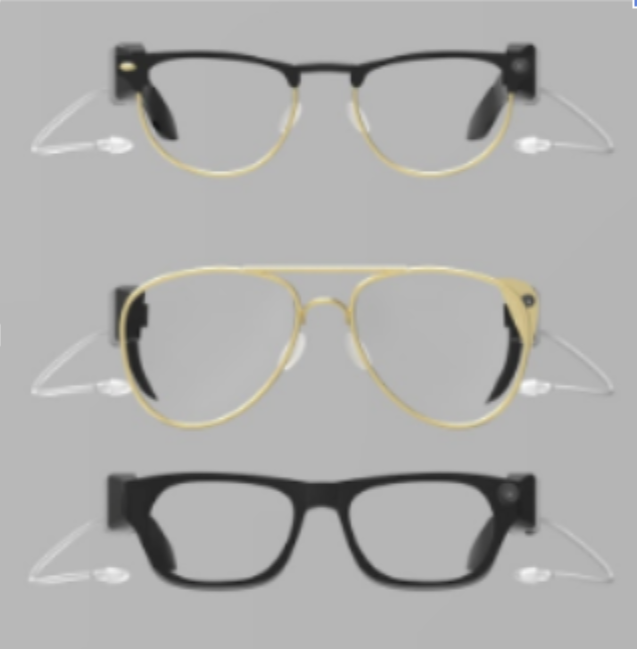
- Improved long-wear comfort through an ergonomic external housing design
6. 3D Modeling and Prototyping
 |
 |
 |
7. Firmware & App Integration
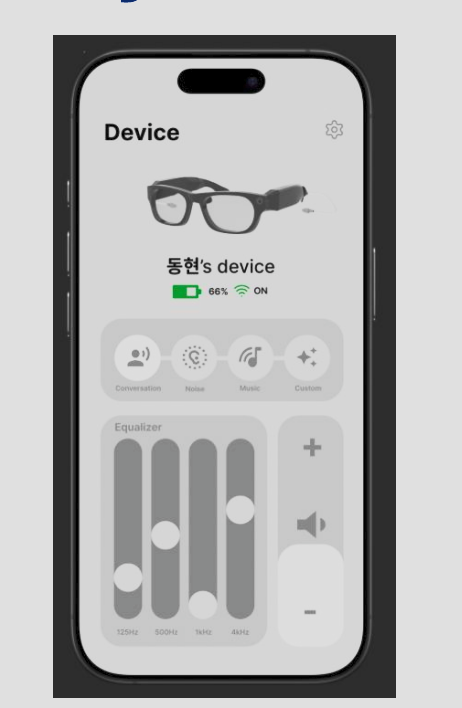
- Implemented Wi-Fi WebSocket communication with the Android app
- The app controls EQ adjustment, speaker registration (Target Speech Hearing), and AI model updates
- Handled the UX of “look at the person you want to talk to for a few seconds, then press a button → their voice embedding gets registered → their voice stays isolated even as you move around” at the firmware interrupt level
The Trickiest Parts
- Latency vs. model performance trade-off: if inference didn’t come in under 8ms, users noticed a mismatch between lip movement and sound. I reworked the quantization strategy repeatedly to shrink the model while keeping the SNR improvement above 7dB.
- Fitting circuitry, battery, driver, and dual mics into an ear-hook form factor: the spacing between the two mics is directly tied to algorithm performance and couldn’t be casually reduced, while the battery still had to last 12 hours.
- The tug-of-war between real-time response and memory: the octal RAM overflow issue from the ESP32 stage ultimately taught me the core embedded-systems lesson that you can’t just use as much memory as you want.
- DfAM: since every external part had to be mass-produced via 3D printing before ever reaching an injection mold, simultaneously optimizing the exterior and internal structure for “printable geometry” turned out to be a bigger undertaking than expected.
What I Took Away From This Project
- Hands-on communication with a chip vendor (consulting with EDOM’s TSE/FAE)
- Designing a multitasking audio/video transmission architecture on ESP32 + FreeRTOS
- Length matching, star grounding, and impedance control on a 4-layer PCB
- NPU architecture evaluation (Alif Ethos-U55, etc.) and a decision framework for chip selection
- DfAM-based design for 3D-printed production
- An on-device AI integration pipeline (training → quantization → real-time inference → OTA)
Awards
2025
- ‘인천광역시 제2회 대학 연합 창업아카데미’ 최우수상(2위) 수상
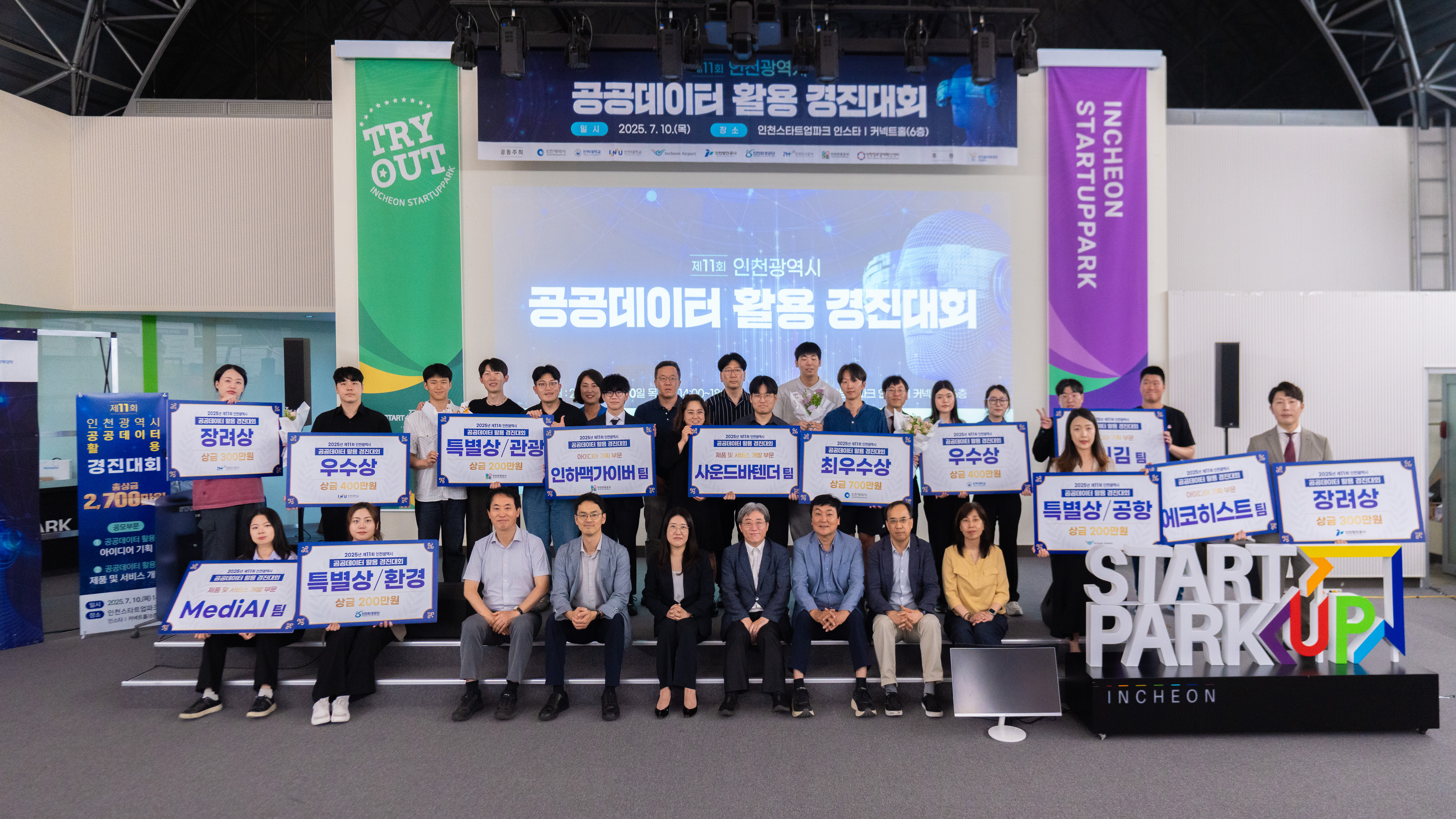
- ‘제11회 인천광역시 공공데이터 활용 경진대회’ 최우수상(1위) 수상
- ‘전국 범정부 공공데이터 활용 경진대회’ 출전
- ‘인천광역시 제2회 대학 연합 창업아카데미’ 우수 아이디어 선정
- ‘학생 창업유망팀 U300+ 성장트랙(A)’ 선정
- ‘인천대학교 청년 소셜벤처 창업캠프 데모데이’ 대상
- ‘하나금융그룹 하나파워온 하나 소셜벤처 유니버시티’ 수료
- ‘2025 메이커 페어 서울’ 부스 운영
This was a genuinely valuable experience — an attempt to build technology that people actually need.